Common Alcohol Withdrawal Symptoms
A therapist will work with you to create a personalized plan for cutting back and provide ongoing guidance and accountability. Whether you’re a daily imbiber, heavy drinker, or frequent binge drinker, you’re likely to experience withdrawal symptoms when you quit. Unfortunately, https://ischu-rybku.ru/sv/si104-poison-urchin-flower-urchins.htm there’s little to no evidence that tapering off reduces the effects of alcohol withdrawal, some of which can be severe or even life-threatening. Quitting with proper medical supervision may be more important than whether you stop gradually or all at once.
Substituting a prescription drug for alcohol should only happen with the help of a medical professional. No one should ever attempt a substitution taper with prescription medication unless their doctor specifically prescribed it for that purpose in a medical detox program. If the drink of choice is liquor, it is difficult to measure amounts and easy to binge drink. If the drink is a mixed drink, it can contain sugar or other additives that should not be included in the taper and may worsen the effects of withdrawal symptoms.
Alcohol Detox at Home
“My worst withdrawal symptom is that my brain does not seem to work very well. Lots of spelling errors and poor fine-motor skills. I will not even go into the insomnia.” “Physically, I feel fine now, but I still crave alcohol like crazy. That’s going to be the worst part.” Some are finally able to get some sleep at day five, whereas others still have problems sleeping. For many, it’s http://modelico.ru/shop/?dir=482&pid=32796 very difficult to get past the third day of unrelenting shakes and sweats without picking up a drink. “I think I’ve seriously damaged my brain. Maybe a seizure. Sudden sharp pains in the head. Visual, auditory, and tactile hallucinations. Confusion. Couldn’t walk right.” “Thankfully, I’m able to sleep, and the shakes come and go, but the anxiety and the dark places are tough.”
- If you try to detox on your own, ask someone trusted, healthy, and responsible to keep an eye on you as you go through withdrawal.
- By talking with your doctor or an addiction treatment specialist, together you can determine a safe tapering schedule that suits your needs.
- When you consider how to go about giving up alcohol, account for factors like how much you drink and your reasons for drinking.
- If you’re struggling to wean off alcohol, it might be best to seek addiction treatment.
- It’s okay to have a little drink, set it down, leave it for fifteen minutes, and come back to it later.
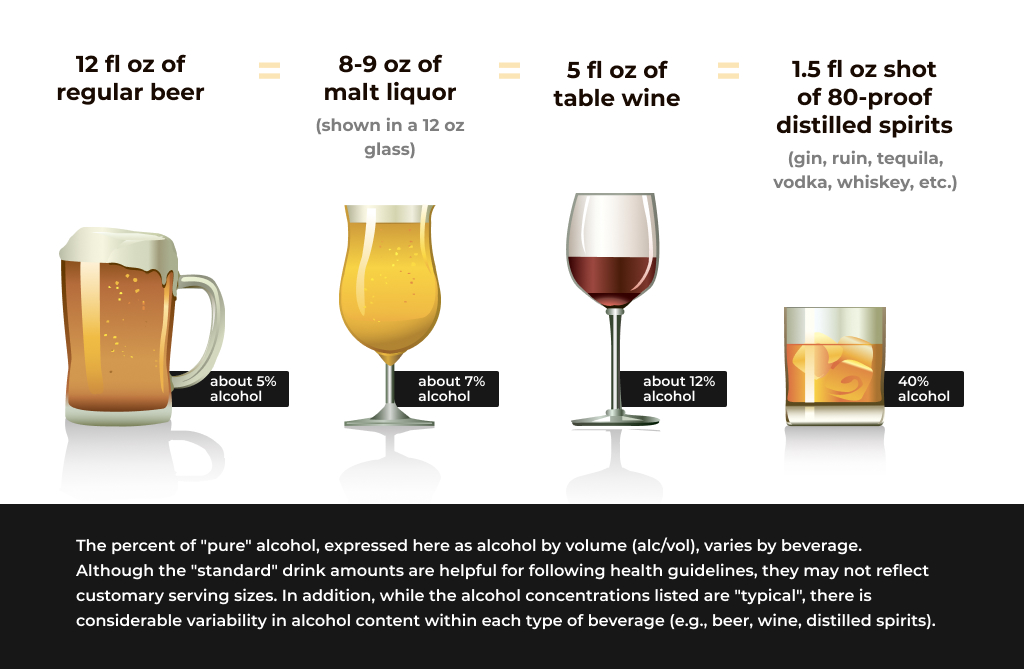
Addiction experts have not conducted many studies on alcohol tapering, as tapering is not considered the ideal way to quit alcohol. As a result, little information is available regarding the best way to taper. That said, some independent groups have stepped in, publishing sample tapering schedules to guide people trying to cut back on drinking. It can take different people varying amounts of time to taper off alcohol. How long it takes depends on factors like how much you typically drink. A person who drinks more alcohol will probably have a longer taper than a person who drinks less alcohol.
Health Consequences of Excessive Drinking
Exploring, in writing, what you find difficult and when you most want to drink can help you notice patterns that offer more insight into your alcohol use. There are multiple health benefits you can experience when you start drinking less alcohol. The exact benefits will depend on how much alcohol you were drinking and on factors http://megaarena.net/10477-100-samyh-krasivyh-pesen-2015.html such as your genetics, overall health, and how your body responds. But drinking less is always a good choice for your body and health. Or maybe it’s a pregnancy that made you realize it’s time to stop drinking. Or maybe you’re just looking to improve your health, wake up hangover-free and give your liver (and your heart) a break.